Moonstone: Meaning, Properties, Care and How to Spot a Fake
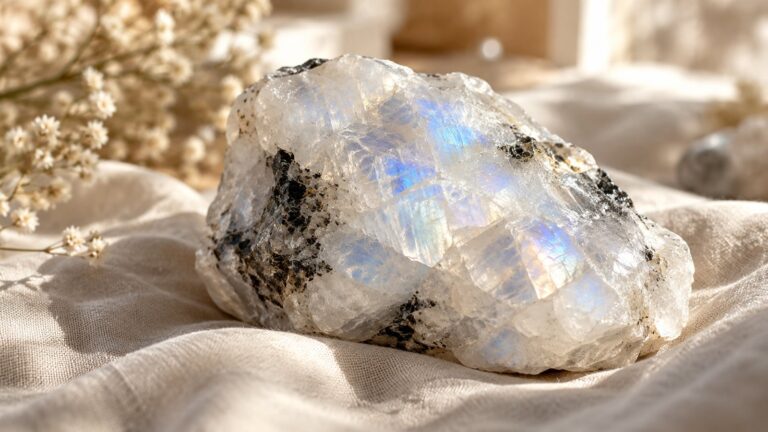
Moonstone is a feldspar known for its floating blue-white glow, called adularescence. Learn how it forms, where it comes from, what traditions say, how to care for it and how to spot fakes.


Moonstone is a feldspar known for its floating blue-white glow, called adularescence. Learn how it forms, where it comes from, what traditions say, how to care for it and how to spot fakes.
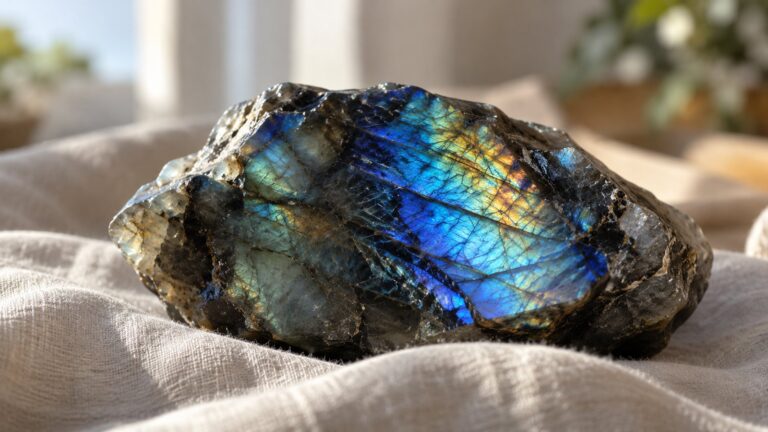
Labradorite is a feldspar famous for its blue and gold flash. Learn what causes labradorescence, where it comes from, its meaning in crystal traditions, how to care for it and spot fakes.
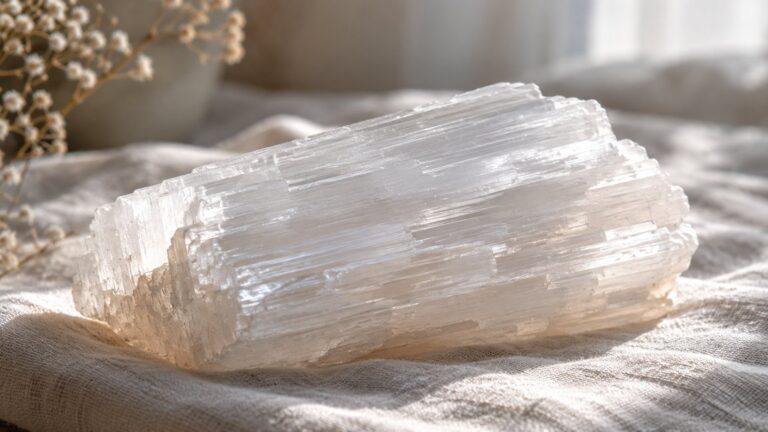
Selenite is a transparent form of gypsum with a Mohs hardness of 2. Read how it forms, why it must stay dry, what traditions say about it, and how to tell it from look-alikes.
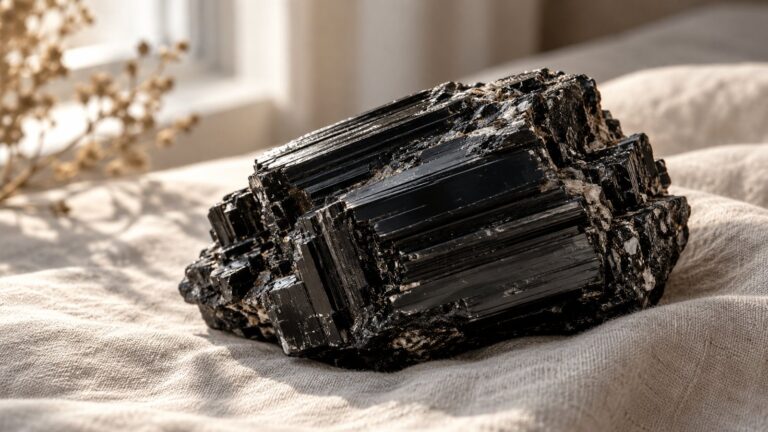
Black tourmaline is the mineral schorl, with a Mohs hardness of about 7. Learn its chemistry, where it forms, why it is called a protection stone, how to care for it and how to spot fakes.
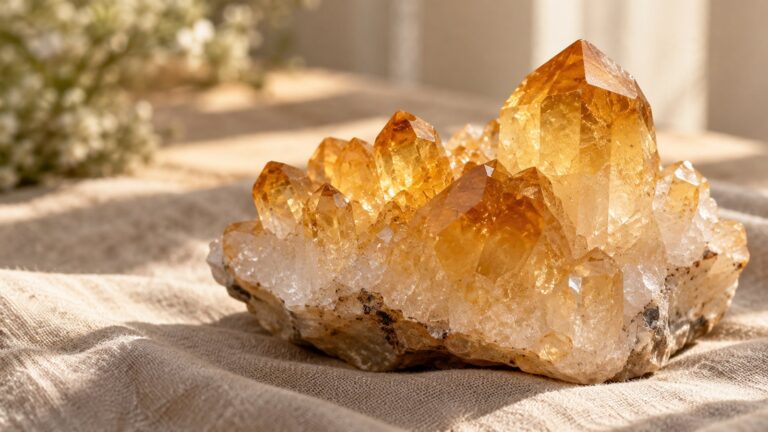
Citrine is yellow to orange quartz with a Mohs hardness of 7. Find out why most citrine is heat-treated amethyst, what traditions say about it, how to care for it and how to buy honestly.
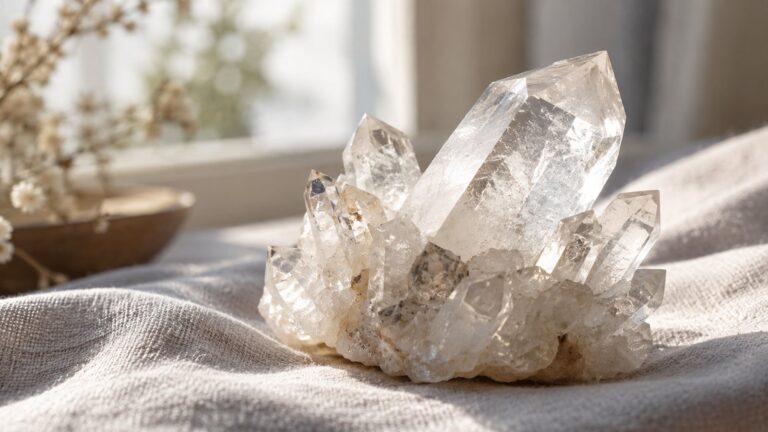
Clear quartz, or rock crystal, is silicon dioxide with a Mohs hardness of 7. Learn how it forms, why it powers quartz watches, what it means in crystal traditions and how to spot glass fakes.
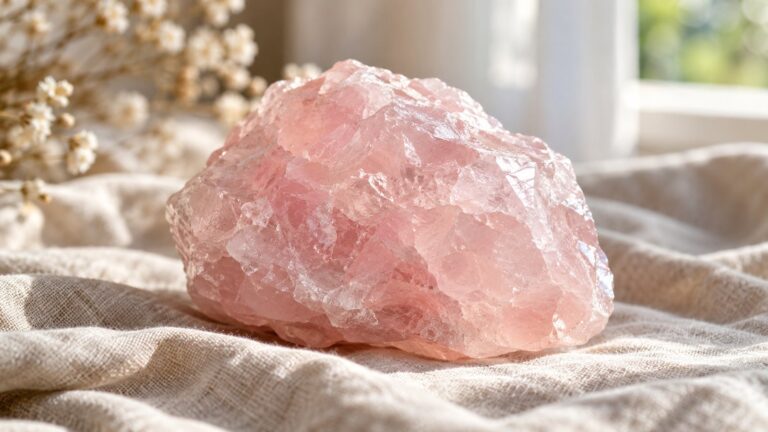
Rose quartz is pink quartz with a Mohs hardness of 7. Read what colors it, where it is found, the traditions linking it with love, how to care for it and how to avoid fakes.
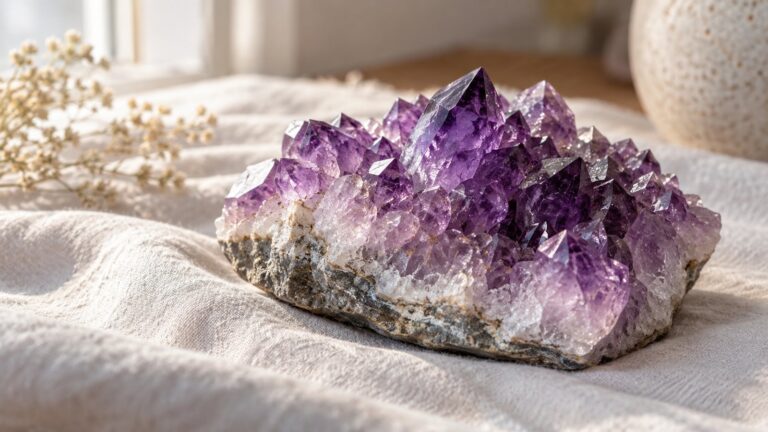
Amethyst is purple quartz, Mohs hardness 7. Learn what gives it color, where it comes from, what people traditionally believe about it, how to care for it and how to spot a fake.