
Your Resource for Health, Wellness, and Spirituality
Where would you like to start?
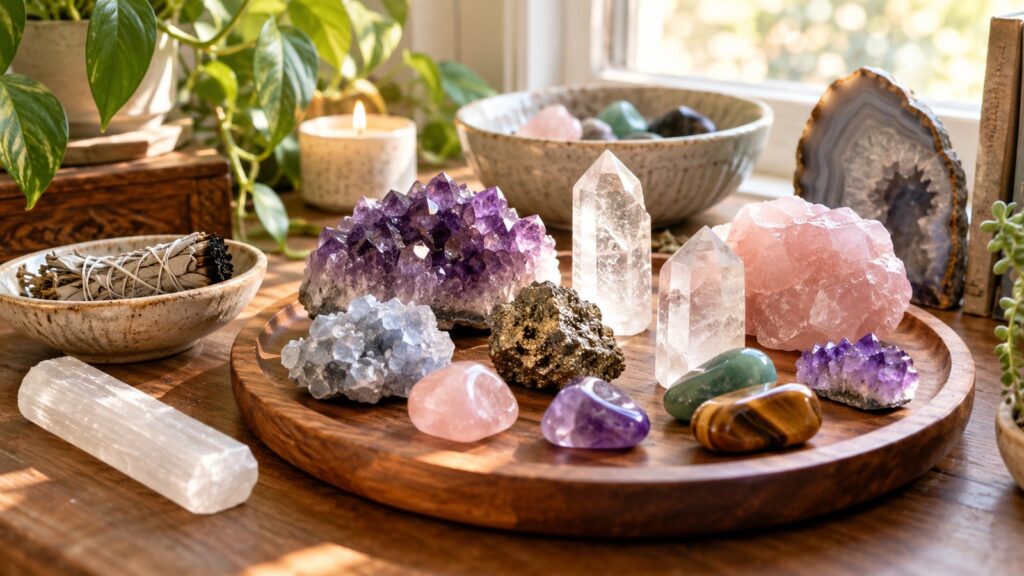 CrystalsMeanings, care and how to spot fakes
 Oils and TincturesEssential oils, carrier oils and herbal extracts
 ZodiacAll 12 signs, dates, elements and crystals
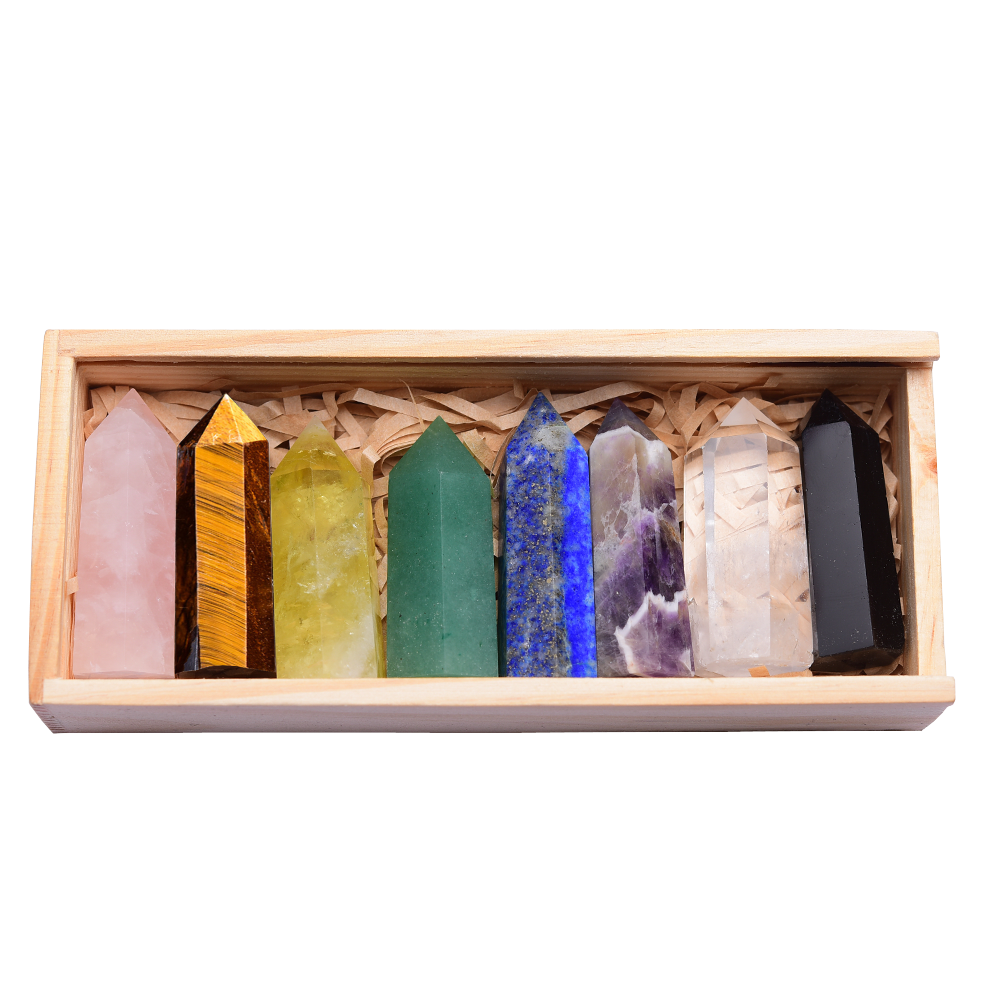 Chakras and EnergyChakra stones, singing bowls and sleep
The Crystals Catalog
Tap any crystal to read its meaning, properties, care and how to spot a fake. See the full Crystals Catalog.
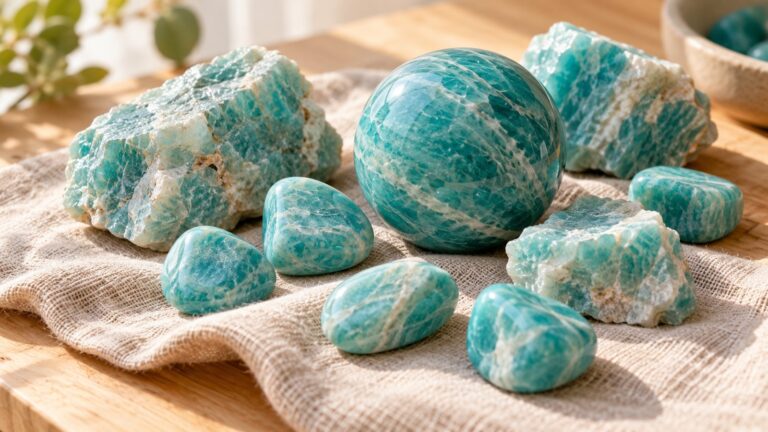 Amazonite
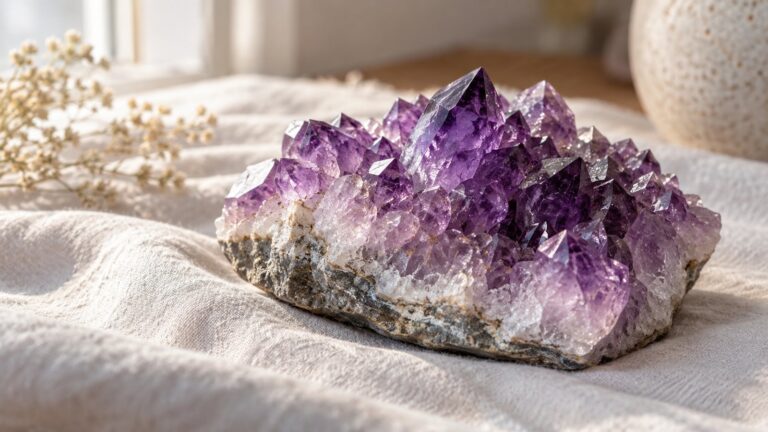 Amethyst
 Aqua Aura Quartz
 Aquamarine
 Aragonite
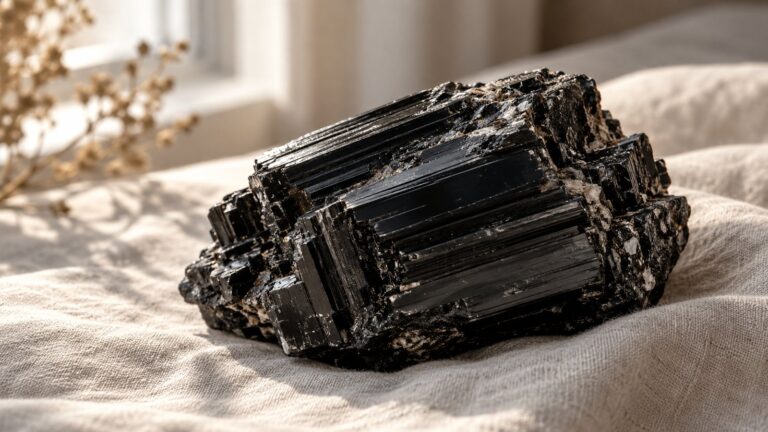 Black Tourmaline
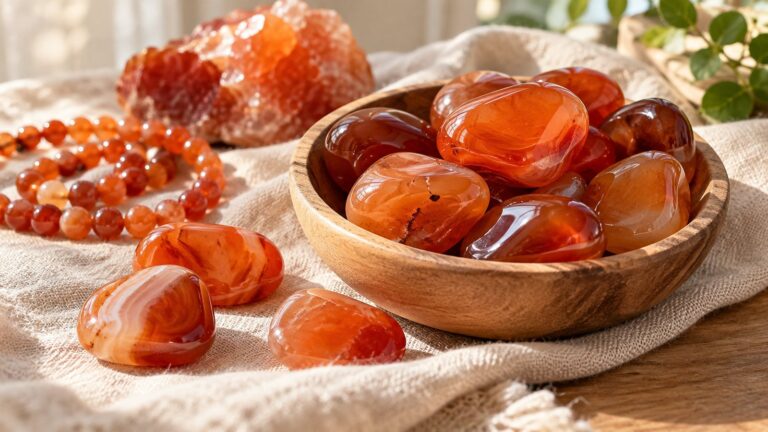 Carnelian
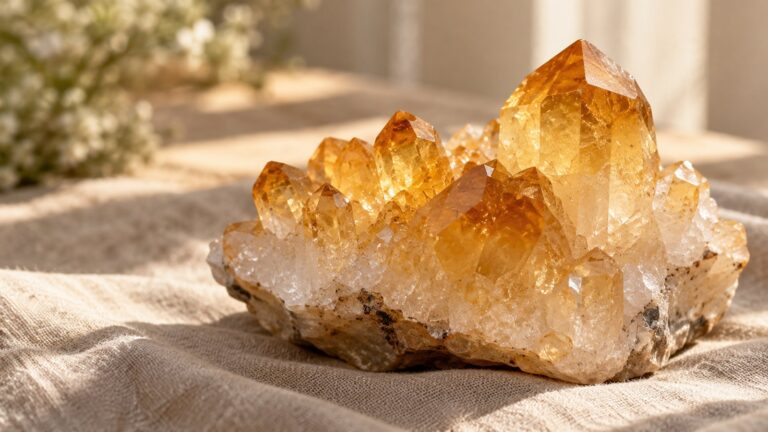 Citrine
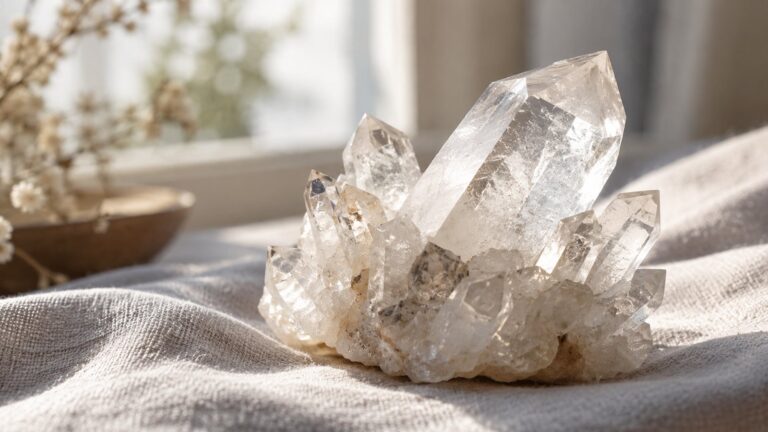 Clear Quartz
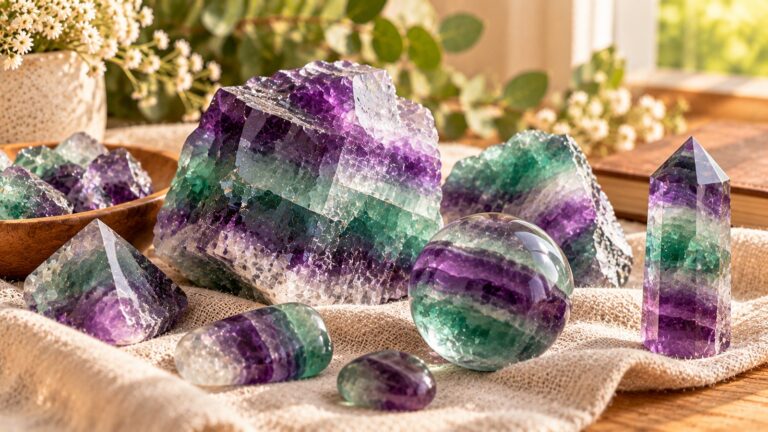 Fluorite
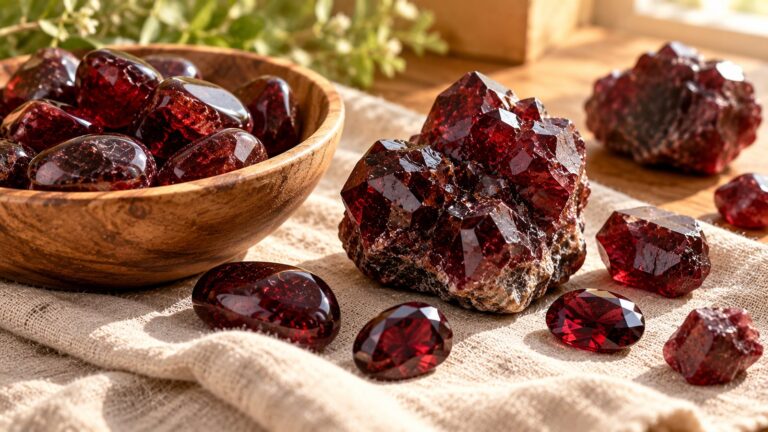 Garnet
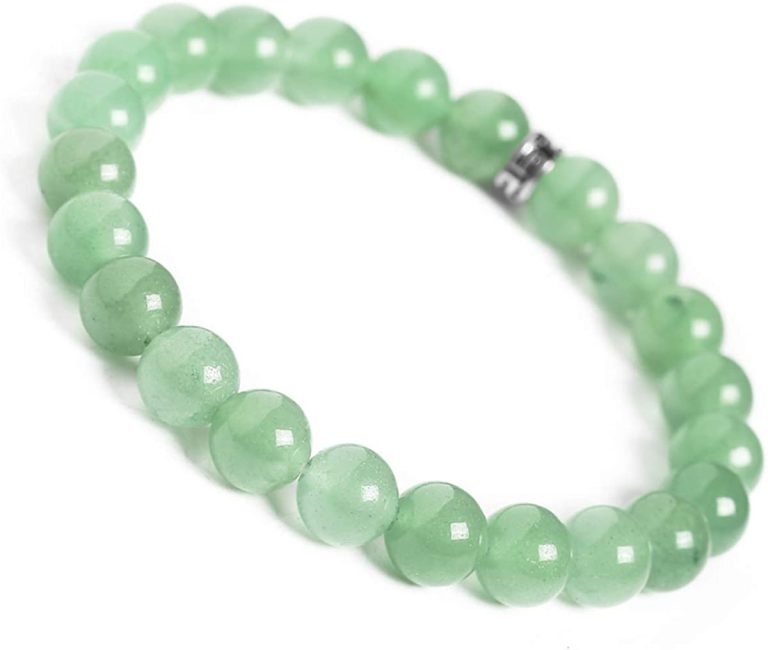 Green Aventurine
 Hematite
 Howlite
 Jade
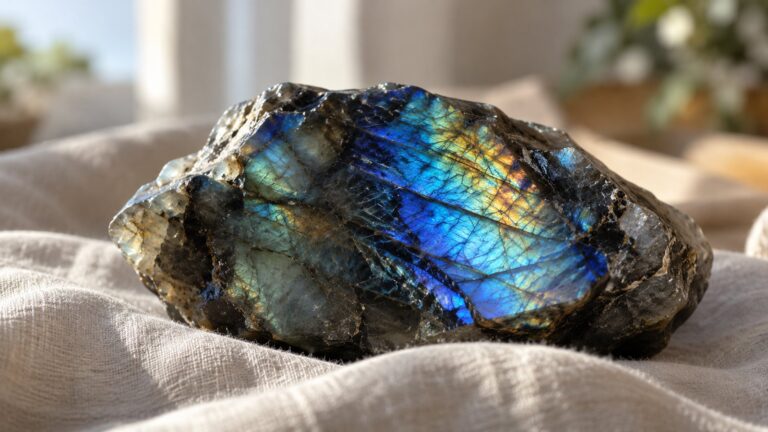 Labradorite
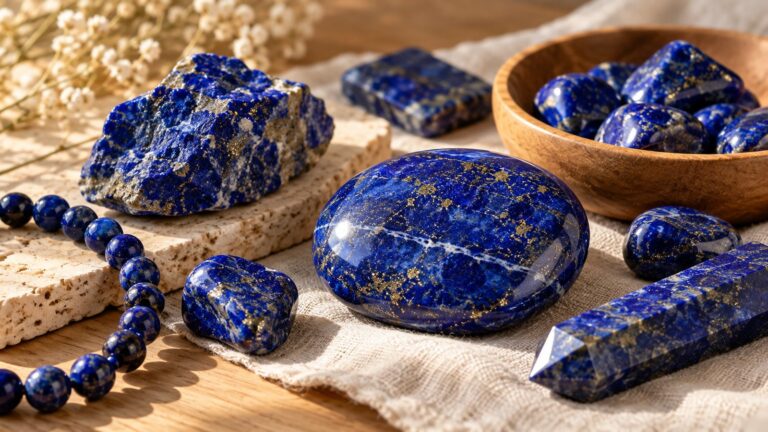 Lapis Lazuli
 Malachite
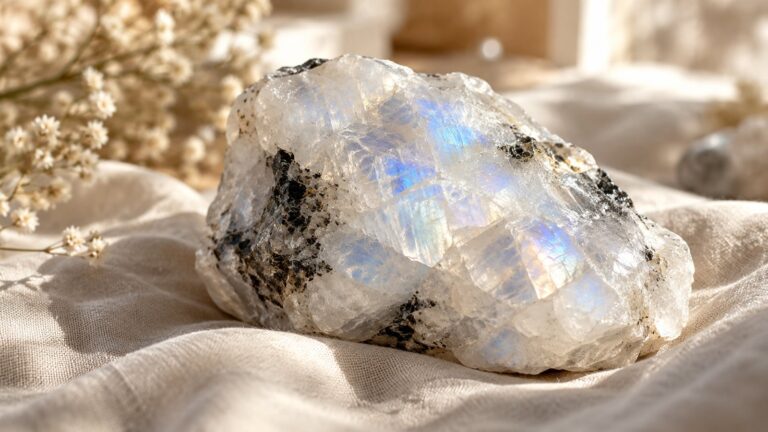 Moonstone
 Moss Agate
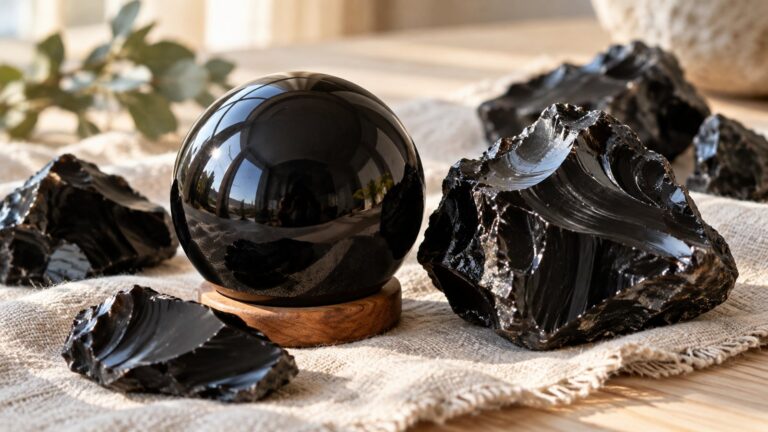 Obsidian
 Opal
 Peridot
 Pyrite
 Red Jasper
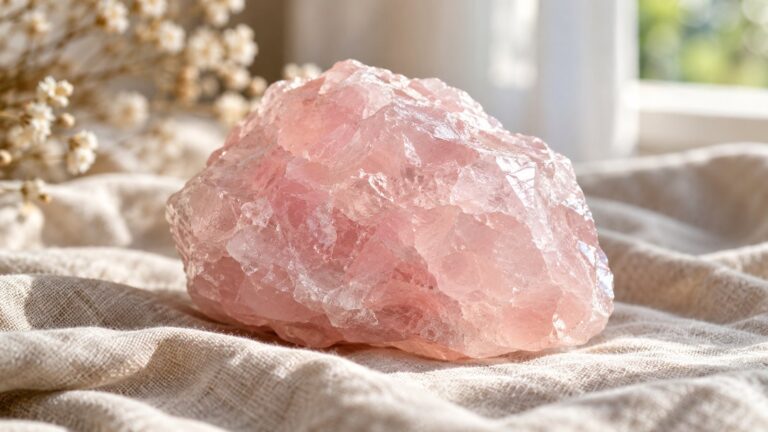 Rose Quartz
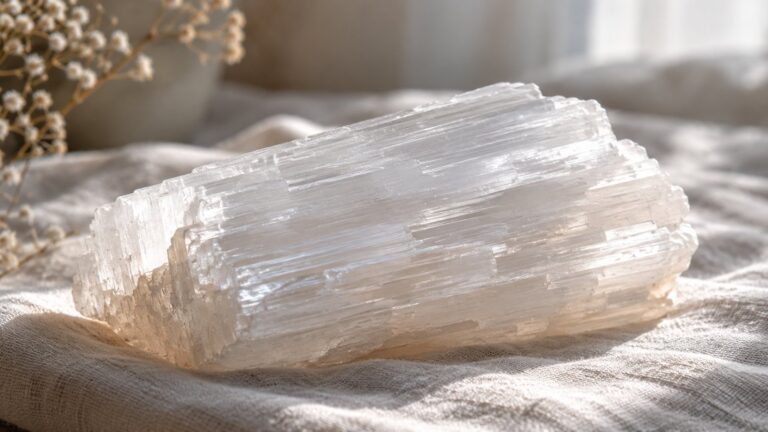 Selenite
 Smoky Quartz
 Sodalite
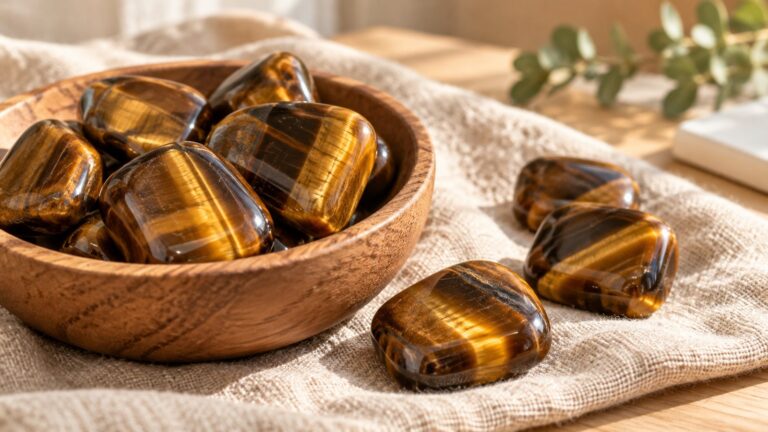 Tiger's Eye
 Turquoise
Latest Posts
- Spikenard Essential Oil: Uses, Safety, Dilution and Precautions
 A practical guide to spikenard essential oil: botanical identity, aroma, traditional use, modern aromatherapy uses, dilution, safety for skin and pregnancy, blending ideas and how to buy unadulterated oil.
- Aquamarine: Meaning, Properties, Care and How to Spot a Fake
 A clear guide to aquamarine: what it is made of, why it is blue, where it is mined, the meanings people attach to it, heat treatment, care tips and how to tell natural stones from glass and look-alikes.
- Ho Wood Essential Oil: Uses, Safety, Dilution and How It Differs From Camphor and Rosewood
 A guide to ho wood essential oil, a linalool-rich oil from a chemotype of the camphor laurel tree: its soft woody-floral scent, how it differs from camphor oil and rosewood, how to use it in a diffuser or skin blend, safe dilution and precautions.
- Zircon: Meaning, Properties, Colors, Care and How It Differs From Cubic Zirconia
 A guide to natural zircon, the sparkling December birthstone that is also Earth’s oldest dated mineral: what it is made of, its colors, heat treatment, where it comes from, how to care for it and how it differs from cubic zirconia.
- Myrtle Essential Oil: Uses, Types, Safe Dilution and Precautions
 A practical guide to myrtle essential oil from the Mediterranean shrub Myrtus communis: its fresh, camphor-and-herb scent, green versus red myrtle, what it contains, how to use it in a diffuser or chest rub, safe dilution and who should avoid it.
- Angelite: Meaning, Properties, Care and How to Tell It From Dyed Look-Alikes
 A guide to angelite, the soft blue-violet variety of anhydrite: what it is made of, how soft it is, where it comes from, the meanings people attach to it, why it should stay dry and how to tell it from dyed howlite and other imitations.
- Rosewood Essential Oil: Uses, Sustainability Concerns, Safe Dilution and Alternatives
 A guide to rosewood essential oil from the Amazon: its soft floral scent, what it contains, how to use it in skin blends and diffusers, why sourcing is controversial, how to find responsibly sourced oil and which alternatives work.
- Danburite: Meaning, Properties, Where It Comes From, Care and How to Spot a Fake
 A guide to danburite, the clear, glassy crystal named for Danbury, Connecticut: what it is made of, how hard it is, the colors and sources, the meanings people give it, how to clean it and how to tell it from quartz and glass.
- Petitgrain Essential Oil: Uses, Benefits, Safety and How to Dilute It
 A practical guide to petitgrain essential oil, distilled from the leaves and twigs of the bitter orange tree: its aroma, what it contains, how to use it in a diffuser, roller blend or unscented lotion, safe dilution rates and who should be careful.
- Rutilated Quartz: Meaning, Properties, Types, Care and How to Spot a Fake
 A guide to rutilated quartz, clear quartz threaded with golden needles of rutile: what it is made of, how the needles form, where it is found, the meanings people attach to it, how to care for it and how to tell a real stone from glass.