
| ✨Hey there! This post may contain affiliate links, meaning we earn a commission if you make a purchase through our links, at no cost to you. Please read our disclosures for more info. |
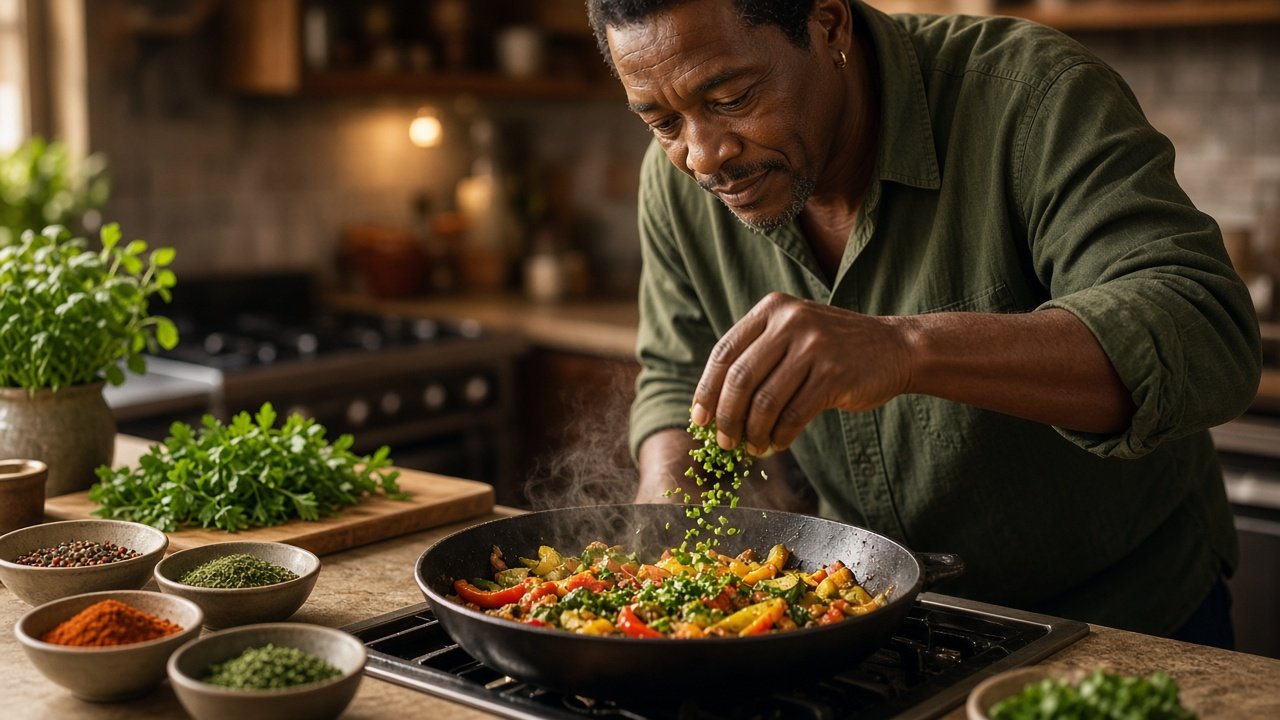
Quick answer: to cook well with herbs and spices, start with a small cabinet of versatile basics (black pepper, garlic powder, paprika, cumin, chili powder, cinnamon, oregano, thyme and a salt-free blend), add hardy herbs and dried herbs early in cooking and tender fresh herbs at the end, and “bloom” ground spices in a little hot oil to deepen their flavor. Herbs, spices, citrus and vinegar can replace some of the salt in your cooking, which matters because federal dietary guidance recommends limiting sodium to less than 2,300 milligrams a day for most adults, and the FDA reports that Americans eat about 3,400 milligrams on average.
A well-seasoned dish does not need a long ingredient list. A few herbs and spices, used at the right moment, can turn plain beans, roasted vegetables or chicken into something you look forward to eating.
Herbs and spices are also a practical tool for healthier cooking, because they add flavor without much salt, sugar or fat. This guide explains how to build a starter collection, how and when to add each type, classic pairings and how to store them. For an overview of culinary herbs, tea, growing and safety, start with our beginner’s guide to herbs.
Sources: Dietary Guidelines for Americans (USDA and HHS); U.S. Food and Drug Administration (FDA) sodium reduction information and spice safety advisories; American Heart Association (AHA) sodium guidance; Centers for Disease Control and Prevention (CDC) on sodium; National Center for Home Food Preservation (NCHFP); cooperative extension nutrition guides. Checked October 2026.

Herbs vs Spices: What Is the Difference?
Herbs are generally the leaves of plants, used fresh or dried, such as basil, parsley, oregano and thyme. Spices come from other parts of plants, including seeds (cumin, coriander), bark (cinnamon), roots (ginger, turmeric), fruits (black pepper, chili) and flower parts (saffron, cloves).
Why it matters in the kitchen
Leafy herbs usually have delicate aromas that fade with long cooking, while many spices need heat or time to release their flavor. Knowing which is which helps you decide when to add them.

Build a Starter Spice Cabinet
You do not need dozens of jars. A focused set of versatile seasonings covers most everyday cooking, and you can add more as you try new recipes.
Starter list
| Seasoning | Flavor | Easy uses |
|---|---|---|
| Black pepper (whole, with a grinder) | Sharp, warm | Almost everything |
| Garlic powder | Savory | Roasted vegetables, eggs, dressings |
| Onion powder | Sweet, savory | Soups, rubs, dips |
| Paprika (sweet or smoked) | Mild, earthy, smoky | Potatoes, chicken, beans |
| Ground cumin | Earthy, warm | Chili, tacos, lentils |
| Chili powder blend | Warm, mildly spicy | Chili, roasted squash |
| Ground cinnamon | Sweet, warm | Oatmeal, baking, stews |
| Dried oregano | Herbal, slightly bitter | Tomato sauces, beans, roasted vegetables |
| Dried thyme | Earthy, savory | Soups, roasted meats and vegetables |
| Red pepper flakes | Hot | Pasta, greens, stir-fries |
| Bay leaves | Subtle, herbal | Soups, stocks, beans |
| A salt-free seasoning blend | Varies | All-purpose salt replacement |
Fresh herbs to keep on hand
Parsley, cilantro and basil add bright flavor to finished dishes. Chives and green onions are easy, mild extras. Growing a few pots at home saves money and waste.

When to Add Fresh and Dried Herbs
Timing has a big effect on flavor. Herbs fall into two groups: hardy herbs, which hold up to cooking, and tender herbs, which taste best fresh or added at the end.
Hardy herbs
Rosemary, thyme, sage, oregano and bay leaves have sturdy leaves and strong oils. Add them early so their flavor has time to infuse soups, stews, sauces and roasts. Remove woody stems and bay leaves before serving.
Tender herbs
Basil, parsley, cilantro, dill, mint and chives lose flavor and color with long cooking. Stir them in during the last minute or scatter them over the finished dish.
Dried herbs
Dried herbs are more concentrated than fresh and need moisture and heat to release flavor, so add them early. A common conversion is about one teaspoon of dried herb for every tablespoon of fresh. Crush dried leaves between your fingers as you add them to wake up their aroma.

How to Get More Flavor From Spices
A few simple techniques make spices taste fuller and less dusty.
Bloom ground spices in oil
Many cuisines cook spices briefly in hot oil or butter before adding other ingredients. This releases fat-soluble flavor compounds. Heat a little oil, add ground spices and stir for about 30 seconds until fragrant, then add onions, tomatoes or liquid. Watch closely, because spices burn quickly.
Toast whole spices
Toasting whole seeds such as cumin, coriander and fennel in a dry pan over medium heat for a minute or two deepens their flavor. Let them cool, then grind them in a spice grinder or mortar and pestle.
Layer seasonings
Season in stages: a little at the start, a little in the middle and a final adjustment at the end. Taste as you go.
Balance with acid
A squeeze of lemon or lime, or a splash of vinegar, brightens herbs and spices and can make food taste saltier than it is.

Classic Blends to Know
Seasoning blends make it easy to cook dishes from different traditions. You can buy them or mix your own.
| Blend | Typical ingredients | Good with |
|---|---|---|
| Italian seasoning | Oregano, basil, thyme, rosemary, marjoram | Tomato sauces, roasted vegetables, beans |
| Herbes de Provence | Thyme, savory, rosemary, marjoram, sometimes lavender | Chicken, potatoes, vegetables |
| Chili powder | Ground chiles, cumin, oregano, garlic | Chili, beans, roasted squash |
| Garam masala | Cumin, coriander, cardamom, cinnamon, cloves, pepper | Lentils, curries, roasted cauliflower |
| Za’atar | Dried thyme or oregano, sesame seeds, sumac | Flatbread, eggs, yogurt, vegetables |
| Five-spice powder | Star anise, cloves, cinnamon, Sichuan pepper, fennel | Stir-fries, roasted meats |
| Cajun-style seasoning | Paprika, garlic, onion, cayenne, thyme, oregano | Shrimp, chicken, rice, beans |
Store-bought blends often contain salt. Check the label or make your own salt-free versions.

Pairings by Food
These pairings are a good place to start experimenting.
- Potatoes: rosemary, thyme, paprika, garlic, chives
- Tomatoes: basil, oregano, parsley, garlic
- Beans and lentils: cumin, bay leaf, smoked paprika, oregano, garam masala
- Chicken: thyme, rosemary, sage, paprika, lemon
- Fish: dill, parsley, lemon, paprika
- Eggs: chives, dill, black pepper, za’atar
- Carrots and squash: cinnamon, ginger, cumin, thyme
- Leafy greens: garlic, red pepper flakes, lemon
- Oatmeal and fruit: cinnamon, nutmeg, ginger, cardamom

Use Herbs and Spices to Cut Back on Salt
Most sodium in the American diet comes from packaged and restaurant foods, according to the CDC, but cooking at home with herbs and spices gives you more control. The Dietary Guidelines for Americans recommend that most people age 14 and older limit sodium to less than 2,300 milligrams per day, and the American Heart Association sets an ideal limit of 1,500 milligrams for most adults.
Practical swaps
- Replace part of the salt in rubs and marinades with garlic powder, onion powder, paprika and herbs.
- Finish dishes with lemon juice, lime zest or vinegar instead of extra salt.
- Use salt-free blends at the table.
- Rinse canned beans and vegetables to remove some sodium.
- Cook grains in water with a bay leaf and a pinch of herbs instead of salty bouillon.
Taste adjusts over time
The FDA notes that people’s taste for salt can change as they gradually eat less of it. Cutting back slowly while adding more herbs, spices and acid makes the change easier.

Herbs and Spices in a Plant-Rich Diet
Herbs and spices are plant foods, and many contain compounds such as polyphenols. They are used in small amounts, though, so their biggest contribution may be making vegetables, beans and whole grains more appealing. That supports the colorful, produce-rich eating described in our guide to the chromatic diet and phytochemicals.
Some spice pairings have been studied for absorption. For example, research suggests that piperine, a compound in black pepper, increases the absorption of curcumin from turmeric. Most of that research uses supplement doses, so it is a fun cooking fact rather than a reason to take pills.

How to Store Herbs and Spices
Heat, light, air and moisture fade herbs and spices over time.
Storage tips
- Store jars in a cool, dark cabinet, not above the stove or next to the dishwasher.
- Close lids tightly after each use.
- Buy small amounts of spices you use rarely.
- Buy whole spices when practical; they keep flavor longer than ground spices.
- Do not shake jars directly over steaming pots, because moisture can get inside.
- Label homemade blends with the date.
How long do spices last?
Dried herbs and spices stay safe for a long time but lose flavor. Many spice makers suggest replacing dried herbs and ground spices every year or two, and whole spices less often. A quick sniff test helps: if a spice has little aroma, it will add little flavor.

Spice Safety Tips
Spices are generally safe, but a few precautions are worth knowing.
- Watch for recalls. The FDA has issued advisories in recent years about elevated lead in some ground cinnamon products and has recalled spices for contamination. Check FDA recall notices if you are unsure about a product.
- Use spices in cooked dishes or from trusted sources. Dried spices are not usually cooked before packaging, so the FDA monitors them for contaminants such as Salmonella.
- Be careful with chiles. Wash hands after cutting hot peppers and avoid touching your eyes.
- Supplements are different. Concentrated herbal or spice supplements can interact with medicines, unlike normal cooking amounts. Talk to a pharmacist before taking them.

Common Seasoning Mistakes
Small habits make a big difference in how herbs and spices taste. Watch for these common slips.
- Adding tender herbs too early. Basil and cilantro turn dull and dark after long simmering. Save them for the end.
- Burning spices. Ground spices scorch in seconds over high heat and turn bitter. Lower the heat and stir constantly when blooming.
- Using stale jars. Old spices add color but little flavor, so you end up using more. Replace faded ones.
- Forgetting acid. Dishes that taste flat often need lemon or vinegar rather than more salt.
- Seasoning only at the end. Building flavor in stages gives deeper results than one big pinch before serving.
- Doubling a blend that already contains salt. Check labels so a salty blend does not push sodium higher than you intended.
- Measuring dried and fresh herbs the same way. Dried herbs are stronger, so use about a third as much.

A Simple One-Week Flavor Plan
Try one new technique each day to build confidence.
- Monday: Roast vegetables with olive oil, garlic powder, thyme and black pepper.
- Tuesday: Bloom cumin and chili powder in oil for a pot of beans.
- Wednesday: Finish pasta with fresh basil and lemon zest.
- Thursday: Make a salt-free Italian seasoning blend.
- Friday: Toast whole cumin seeds and sprinkle them over rice.
- Saturday: Try za’atar on eggs or yogurt.
- Sunday: Add cinnamon and ginger to oatmeal or roasted squash.
For more everyday nutrition habits, read our tips on how to improve your diet, and for traditional uses of individual plants see our list of the most useful herbs in apothecary.

Frequently Asked Questions
What spices should a beginner buy first?
Start with black pepper, garlic powder, onion powder, paprika, cumin, chili powder, cinnamon, dried oregano, dried thyme, red pepper flakes, bay leaves and a salt-free blend.
When should I add herbs while cooking?
Add hardy herbs like rosemary, thyme and bay leaves and all dried herbs early. Add tender fresh herbs such as basil, parsley, cilantro and dill at the end.
How much dried herb equals fresh?
A common conversion is about one teaspoon of dried herb for every tablespoon of fresh herb.
How can I use herbs and spices to reduce salt?
Use garlic, onion powder, paprika, herbs and salt-free blends in rubs and sauces, and finish dishes with lemon, lime or vinegar. Cut back on salt gradually so your taste adjusts.
Do spices expire?
Dried spices rarely become unsafe, but they lose flavor. Many spice makers suggest replacing ground spices and dried herbs every year or two. Smell them to check.
What does blooming spices mean?
Blooming means briefly cooking ground spices in hot oil or butter, usually about 30 seconds, to release flavor before adding other ingredients.

Sources
- U.S. Department of Agriculture and U.S. Department of Health and Human Services. Dietary Guidelines for Americans.
- U.S. Food and Drug Administration. Sodium in Your Diet; spice safety and lead in ground cinnamon advisories.
- American Heart Association. How much sodium should I eat per day?
- Centers for Disease Control and Prevention. Sodium and the food supply.
- National Center for Home Food Preservation. Herb storage information.
- Cooperative extension nutrition guides. Cooking with herbs and spices.


