| ✨Hey there! This post may contain affiliate links, meaning we earn a commission if you make a purchase through our links, at no cost to you. Please read our disclosures for more info. |
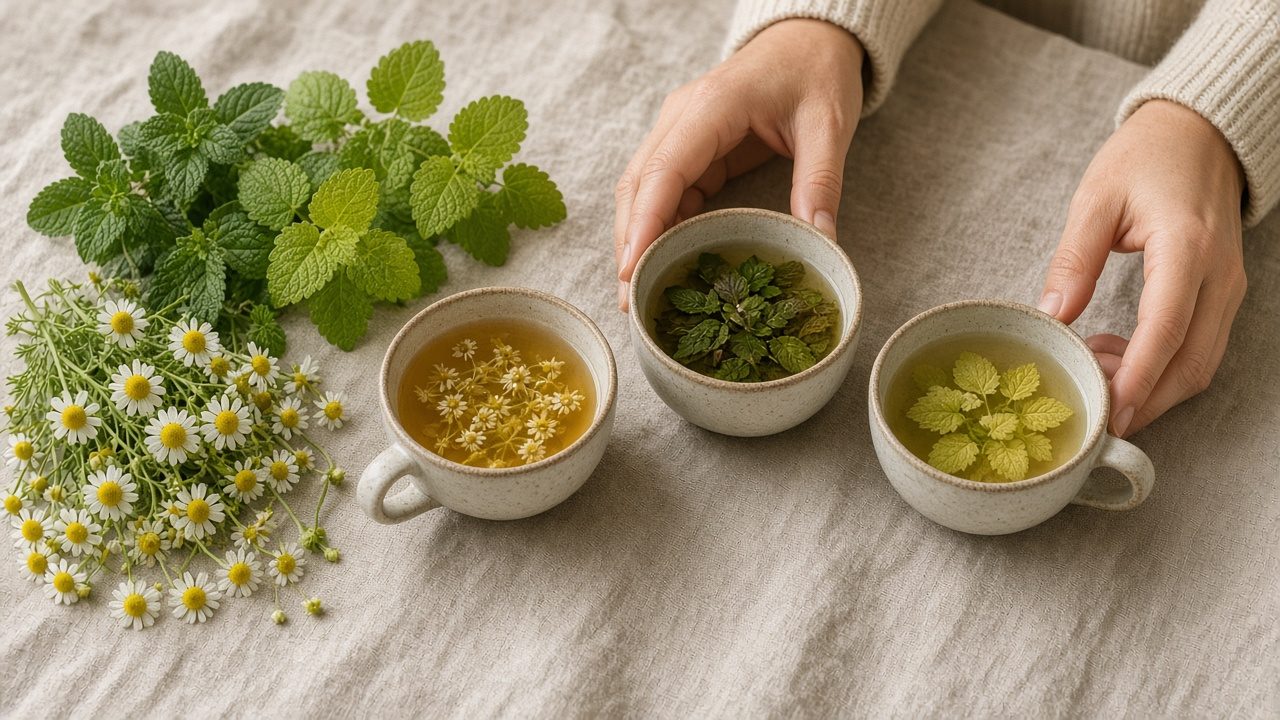
Quick answer: chamomile, peppermint and lemon balm are three of the most popular beginner herbs, best known as caffeine-free teas. Chamomile has a mild, apple-like flavor and has traditionally been used for relaxation and digestion; peppermint is cooling and has the strongest research for enteric-coated peppermint oil capsules in irritable bowel syndrome; and lemon balm is a lemony mint-family herb traditionally used for calm and sleep. According to the National Center for Complementary and Integrative Health (NCCIH), research on teas themselves is limited. All three are generally considered safe in food and tea amounts for most adults, but chamomile can cause allergic reactions in people sensitive to ragweed and related plants, peppermint can worsen heartburn, and anyone on medications should check with a pharmacist before using concentrated supplements.
These three herbs turn up in nearly every bedtime tea blend, and they are easy to grow at home. They are a good starting point for anyone curious about herbs, because they are familiar, mild and widely used as foods.
This profile explains how to recognize each herb, how people have traditionally used it, what current research does and does not show, and how to use it safely. It is educational information, not medical advice. For a broader introduction to culinary herbs, tea, growing and safety, see our beginner’s guide to herbs.
Sources: National Center for Complementary and Integrative Health (NCCIH) “Herbs at a Glance” and fact sheets on chamomile and peppermint oil; MedlinePlus (National Library of Medicine) herbs and supplements information; NIH Office of Dietary Supplements; American College of Gastroenterology clinical guidance on irritable bowel syndrome; University of Minnesota and Penn State Extension guides to growing herbs. Checked October 2026.

The Three Herbs at a Glance
All three are easy to find as dried tea, fresh herbs or plants, and two of them belong to the mint family.
| Herb | Botanical name | Plant family | Flavor | Part used |
|---|---|---|---|---|
| German chamomile | Matricaria chamomilla (also listed as Matricaria recutita) | Daisy (Asteraceae) | Mild, sweet, apple-like | Flowers |
| Roman chamomile | Chamaemelum nobile | Daisy (Asteraceae) | Slightly more bitter | Flowers |
| Peppermint | Mentha x piperita | Mint (Lamiaceae) | Cool, strong, menthol | Leaves |
| Lemon balm | Melissa officinalis | Mint (Lamiaceae) | Lemony, gentle, slightly minty | Leaves |

Chamomile
Chamomile is one of the most widely used herbal teas in the world. Its small, daisy-like flowers have white petals around a yellow center.
German vs Roman chamomile
NCCIH describes two main types. German chamomile is an annual and the type most often sold as tea. Roman chamomile is a low-growing perennial sometimes used as a fragrant ground cover. Both have similar traditional uses.
Traditional uses
Chamomile has been used for centuries for sleeplessness, anxiety and stomach upsets such as gas and diarrhea, according to NCCIH. It has also been applied to the skin in traditional practice.
What research says
NCCIH reports that some small studies suggest chamomile supplements may help with symptoms of generalized anxiety disorder, but the evidence is limited. There is not enough reliable research to show that chamomile improves sleep or digestive problems. Tea studies are especially scarce, so think of a cup of chamomile as a soothing ritual rather than a treatment.
Safety
- Chamomile is generally considered safe in tea and food amounts.
- People allergic to plants in the daisy family, such as ragweed, chrysanthemums, marigolds and daisies, may react to chamomile, according to NCCIH. Reactions can include skin irritation and, rarely, severe allergic reactions.
- NCCIH notes reports of interactions with cyclosporine and warfarin.
- Little is known about safety in pregnancy; ask a clinician first.
How to use chamomile
Brew one to two teaspoons of dried flowers in a cup of just-boiled water, covered, for about five minutes. Chamomile also pairs well with lavender, lemon peel or a little honey.

Peppermint
Peppermint is a natural hybrid of watermint and spearmint. It has dark green, slightly toothed leaves and a strong cooling flavor from menthol.
Traditional uses
Peppermint has long been used for digestive complaints, nausea, colds and headaches. Its leaves are used in tea and cooking, and its essential oil is used in foods, oral care products and topical preparations.
What research says
NCCIH reports that the best evidence for peppermint involves enteric-coated peppermint oil capsules, which may help relieve symptoms of irritable bowel syndrome (IBS). The American College of Gastroenterology has also included peppermint oil in its IBS guidance. Some evidence suggests peppermint oil applied to the skin may help tension headaches. Research on peppermint leaf tea itself is very limited.
Safety
- Peppermint tea is generally considered safe for most adults in normal amounts.
- Peppermint can worsen heartburn and gastroesophageal reflux disease (GERD) symptoms in some people, because it may relax the valve between the esophagus and stomach.
- Peppermint oil capsules can cause heartburn, nausea and dry mouth, according to NCCIH.
- Concentrated peppermint essential oil should not be swallowed straight from the bottle, and products with menthol should not be applied to the faces of babies and young children.
Our guide to lavender essential oil uses and safety explains why concentrated oils need more caution than teas.
Peppermint vs spearmint
Spearmint (Mentha spicata) is one of peppermint’s parent plants. It contains much less menthol, so it tastes sweeter and milder. Spearmint is common in Middle Eastern and North African cooking, in mint tea traditions and in chewing gum. If peppermint feels too strong or bothers your stomach, spearmint is a gentler choice for tea and cooking.
How to use peppermint
Brew one to two teaspoons of dried leaves, or a small handful of fresh leaves, covered for five to ten minutes. Fresh peppermint is also good in fruit salads, yogurt, water and chocolate desserts.

Lemon Balm
Lemon balm is a leafy, bright green member of the mint family with a strong lemon scent when you crush the leaves. It is easy to grow and often spreads by self-seeding.
Traditional uses
Lemon balm has a long history in European herbal traditions as a calming herb, used for restlessness, sleep problems and indigestion. It is often blended with other calming herbs such as chamomile or valerian.
What research says
MedlinePlus and NCCIH note that research on lemon balm is limited. Some small studies have looked at lemon balm, often in combination with other herbs, for sleep, mood and anxiety, but results are not strong enough to draw firm conclusions. Many studies tested supplements or extracts rather than tea.
Safety
- Lemon balm is generally considered safe in food and tea amounts for most adults.
- It may add to drowsiness when combined with sedatives, sleep aids or alcohol.
- Safety in pregnancy and breastfeeding has not been well studied.
- Check with a pharmacist before using lemon balm supplements alongside medications.
How to use lemon balm
Fresh lemon balm makes a lighter, brighter tea than dried. Use a generous handful of fresh leaves or one to two teaspoons of dried leaves per cup and steep covered for about five to ten minutes. Chopped fresh leaves also brighten fruit salads, salad dressings and iced drinks.

How These Herbs Compare
| Chamomile | Peppermint | Lemon balm | |
|---|---|---|---|
| Caffeine | None | None | None |
| Flavor strength | Mild | Strong | Mild to moderate |
| Most studied form | Supplements (anxiety) | Enteric-coated oil capsules (IBS) | Combination extracts |
| Common caution | Daisy-family allergies | Heartburn and reflux | Added drowsiness with sedatives |
| Grows best | Sunny bed or pot from seed | Pot of its own; spreads fast | Garden or pot; self-seeds |

Growing Chamomile, Peppermint and Lemon Balm
All three are beginner-friendly plants for gardens or containers.
Chamomile
German chamomile grows easily from seed in a sunny spot and often reseeds itself. Harvest flowers when fully open, ideally on a dry morning, and dry them on a screen.
Peppermint
Peppermint spreads aggressively through underground runners, so extension guides recommend growing it in containers or in a pot sunk into the ground. It tolerates partial shade and likes moist soil.
Lemon balm
Lemon balm grows in sun or partial shade. Cut it back before it flowers to keep the leaves tender and to reduce self-seeding. Like peppermint, it can take over a garden bed.
For more indoor and outdoor growing tips, see our list of the most useful herbs in apothecary, and for another fragrant tea herb, read about anise hyssop.

Simple Ways to Use All Three
- Evening tea blend: equal parts chamomile and lemon balm with a few peppermint leaves.
- After-dinner tea: peppermint alone or with a slice of fresh ginger.
- Iced herbal tea: cold-steep lemon balm and peppermint in the refrigerator overnight.
- Flavored water: a few crushed lemon balm or mint leaves in a pitcher of water.
- Desserts and fruit: chopped mint or lemon balm over berries.
Making a warm cup part of an evening routine is a gentle self-care habit. Our evening wind-down routine shows how to build one.

Common Misunderstandings
A few ideas about these herbs come up often. Here is what reliable sources say.
- “Herbal tea is the same as a supplement.” Tea delivers far smaller amounts of plant compounds than concentrated capsules or extracts. Research results from supplements do not automatically apply to a cup of tea.
- “Natural means no side effects.” Chamomile allergies and peppermint-related heartburn are real, documented reactions.
- “Mint and peppermint oil are interchangeable.” Peppermint leaf tea is a food; peppermint essential oil is highly concentrated and needs careful, label-directed use.
- “More is better.” Strong brews and large amounts are not more effective and may raise the chance of side effects.
- “These herbs replace treatment.” Ongoing sleep, anxiety or digestive problems deserve a visit to a clinician, who can look for underlying causes.

Who Should Be Careful
Even gentle herbs are not right for everyone. Talk to a clinician before using these herbs regularly, especially in supplement form, if you:
- Are pregnant or breastfeeding
- Are giving herbs to a child
- Take blood thinners, transplant medicines, sedatives or other prescription drugs
- Have reflux disease (peppermint)
- Have allergies to ragweed or other daisy-family plants (chamomile)
- Have an upcoming surgery
Buying quality herbs
Buy dried herbs from reputable sellers with clear labels showing the plant name. Look for bright color and strong aroma. For supplements, independent quality seals such as USP Verified or NSF certification show the product was tested for identity and purity, though they do not guarantee effectiveness.

Storing These Herbs
Keep dried chamomile flowers and mint-family leaves in airtight containers away from light and heat, and use them within about a year for the best flavor. Fresh sprigs of peppermint and lemon balm keep for several days in a glass of water in the refrigerator, loosely covered.

Frequently Asked Questions
Is chamomile or peppermint tea better for sleep?
Chamomile and lemon balm are traditionally used as calming bedtime teas, while peppermint is more often used after meals. NCCIH reports there is not enough research to show that chamomile improves sleep, so choose the flavor you enjoy as part of a relaxing routine.
Can you drink chamomile, peppermint and lemon balm tea every day?
Many adults drink these teas regularly without problems. If you have allergies, reflux, take medications or are pregnant, ask a clinician first.
Who should avoid chamomile?
People allergic to ragweed, chrysanthemums, marigolds, daisies or other daisy-family plants may react to chamomile. NCCIH also notes possible interactions with cyclosporine and warfarin.
Does peppermint tea cause heartburn?
It can in some people. Peppermint may relax the valve between the esophagus and stomach, which can worsen heartburn and reflux symptoms.
Is lemon balm the same as mint?
Lemon balm is in the mint family, but it is a different plant, Melissa officinalis, with a distinct lemon scent and milder flavor than peppermint.
Can I grow these herbs indoors?
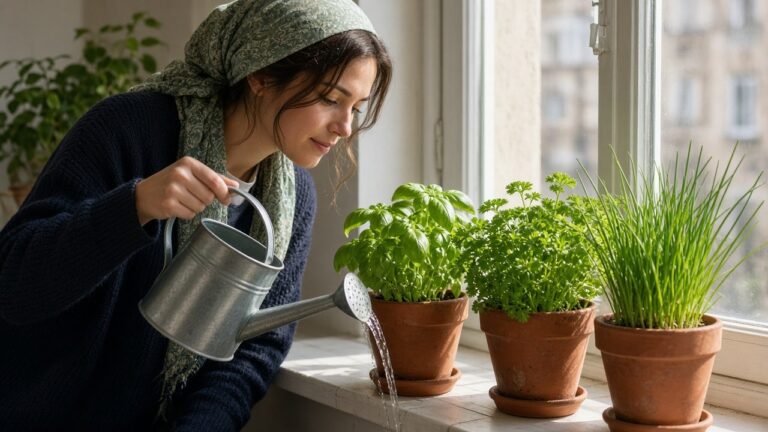
Yes. Peppermint and lemon balm grow well in pots on a bright windowsill, and German chamomile can grow indoors from seed with plenty of light.

Sources
- National Center for Complementary and Integrative Health. Chamomile; Peppermint Oil; Herbs at a Glance.
- MedlinePlus, National Library of Medicine. Lemon balm; chamomile; peppermint.
- NIH Office of Dietary Supplements. Dietary supplement information.
- American College of Gastroenterology. Clinical guideline on irritable bowel syndrome.
- University of Minnesota Extension. Growing herbs.
- Penn State Extension. Growing mint and other herbs.