| ✨Hey there! This post may contain affiliate links, meaning we earn a commission if you make a purchase through our links, at no cost to you. Please read our disclosures for more info. |
Quick answer: self-care is the set of small, repeatable things you do to keep your body and mind in working order: sleep, food, movement, connection, rest and limits on what drains you. The National Institute of Mental Health describes it as taking time to do things that help you live well and improve both physical and mental health. Start with one anchor habit, such as a consistent bedtime or a ten-minute walk, keep it for a few weeks, then add the next. Self-care supports mental health but does not replace treatment; if low mood or anxiety lasts two weeks or more, talk to a professional.
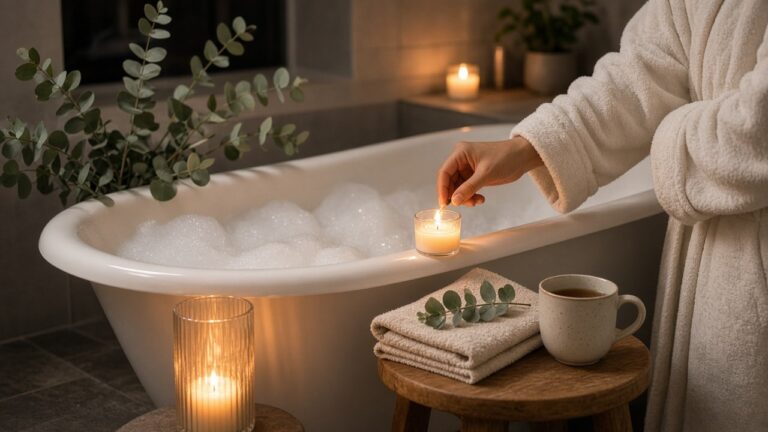
Self-care has become a marketing word, attached to bath products, candles and weekend retreats. Those things can be pleasant, yet the version that changes how your days feel is much less glamorous. It looks like going to bed at roughly the same time, eating a real lunch, answering fewer messages after dinner and saying no to the fourth commitment of the week.
In this guide
- What Self-Care Actually Includes
- Daily Habits That Support Everyday Happiness
- Stress and Emotions
- Connection: The Social Side of Self-Care
- Self-Esteem and Self-Talk
- Discipline and Motivation
- Body Care Rituals
- Sleep: The Foundation Habit
- Boundaries: Protecting Your Time and Energy
- A Simple Self-Care Routine Builder
- When to Seek Professional Help
- Frequently Asked Questions
- Sources
This guide pulls together the pieces of everyday happiness that have the strongest support from public health agencies and research: sleep, movement, stress management, connection, boundaries and routine. Each section explains what helps, why it helps and how to start small. You will also find a routine builder you can adapt, a list of warning signs that mean it is time to get professional support, and links to deeper guides on specific habits.
This article is general wellness information, not medical or mental health advice. Sources include the National Institute of Mental Health (NIMH), the Centers for Disease Control and Prevention (CDC), the World Health Organization (WHO), the American Psychological Association (APA) and peer-reviewed research named in the text, checked October 2026.

What Self-Care Actually Includes
NIMH defines self-care as taking the time to do things that help you live well and improve both your physical health and mental health. The agency notes that self-care can help you manage stress, lower your risk of illness and increase your energy, and that even small acts of self-care in your daily life can have a big impact.
That definition is broader than pampering. A useful way to sort it is into five areas:
- Physical: sleep, food, water, movement, medical checkups and taking prescribed medication as directed.
- Emotional: noticing how you feel, naming it, and having healthy outlets such as talking, writing or creative work.
- Mental: rest for your attention, learning something new, limiting information overload.
- Social: time with people who leave you feeling better rather than worse, and asking for help.
- Practical: keeping the basics of life under control, such as bills, appointments and a home that functions well enough.
Self-care is not the same as self-indulgence
A useful test is to ask how you will feel tomorrow. Scrolling until 1 a.m. feels like rest in the moment and costs you the next day. Turning the phone off at 10 p.m. can feel like a sacrifice tonight and pays off in the morning. Real self-care usually passes the tomorrow test, even when it is boring.
It is personal, and it changes
What restores one person drains another. An introvert may recharge alone with a book; an extrovert may need a phone call with a friend. Your needs also shift with seasons of life: a new baby, a demanding job, an illness or caring for a parent all change what is realistic. The goal is not a perfect routine but a few habits that fit the life you actually have.

Daily Habits That Support Everyday Happiness
NIMH lists several self-care habits that help mental health. They are simple enough to start this week:
- Get regular exercise. NIMH notes that just 30 minutes of walking every day can help boost your mood and improve your health, and that small amounts of exercise add up.
- Eat healthy, regular meals and stay hydrated. A balanced diet and plenty of water can improve energy and focus throughout the day.
- Make sleep a priority. Stick to a schedule and get enough sleep.
- Try a relaxing activity. Explore relaxation or wellness programs or apps, which may include meditation, muscle relaxation or breathing exercises.
- Set goals and priorities. Decide what must get done now and what can wait, and learn to say no to new tasks if you start to feel overwhelmed.
- Practice gratitude. Remind yourself daily of things you are grateful for.
- Focus on positivity. Identify and challenge negative and unhelpful thoughts.
- Stay connected. Reach out to friends or family members who can provide emotional support and practical help.
Movement in real numbers
The WHO physical activity guidelines recommend that adults do at least 150 to 300 minutes of moderate-intensity aerobic activity per week, or 75 to 150 minutes of vigorous activity, plus muscle-strengthening activities on two or more days a week. Those numbers can sound intimidating. Broken down, 150 minutes is about 30 minutes on five days, and a brisk walk counts as moderate activity for most people.
Why small habits beat big overhauls
A study by Phillippa Lally and colleagues, published in the European Journal of Social Psychology in 2010, followed volunteers forming a new daily habit. The time it took for the behavior to become automatic varied widely, from 18 to 254 days, with a median of 66 days. Missing a single day did not meaningfully derail the process. The practical lesson: choose habits small enough to keep for two months, and do not quit after one missed day.
For more ideas on the mindset side of this, our guide to ways to seek happiness in everyday life collects simple practices you can try.

Stress and Emotions
Stress is the body’s response to a demand or threat. In short bursts it is useful; it sharpens focus before a deadline or helps you react quickly. NIMH explains that chronic stress, the kind that continues for a long time, can affect sleep, digestion, the immune system and mood.
The American Psychological Association points out that people often notice stress first in the body: headaches, muscle tension, an upset stomach, trouble sleeping or feeling tired all the time. Emotional signs include irritability, worry and feeling overwhelmed.
Five ways to lower the temperature
- Name it. Saying “I feel anxious about this meeting” is a small act that creates distance between you and the feeling.
- Breathe slowly. Slow breathing with a longer exhale is a common relaxation technique taught in stress-management programs.
- Move. A walk around the block is often enough to break a stress spiral.
- Write it down. A few minutes of journaling can turn swirling thoughts into a list you can act on.
- Talk to someone. Connection is one of the self-care habits NIMH lists by name.
Anger and frustration
Anger is a normal emotion, though it can become a problem when it is frequent, intense or expressed in harmful ways. If anger is a recurring theme for you, our article on practical ways to control anger covers techniques such as timeouts and reframing. It also helps to look at the background causes; our piece on factors that disturb your inner peace looks at common drains such as clutter, comparison and unresolved conflict.
Connection: The Social Side of Self-Care
People often picture self-care as something done alone, yet relationships are one of the strongest supports for wellbeing. The U.S. Surgeon General’s 2023 advisory, Our Epidemic of Loneliness and Isolation, describes social connection as a significant predictor of longevity and better physical and mental health, and links a lack of connection with higher risk of heart disease, stroke, dementia, depression and anxiety.
Connection does not require a packed social calendar. Small, regular contact counts:
- A standing call. A weekly phone call with a sibling or friend at a set time removes the effort of planning.
- Shared routines. Walking with a neighbor, a weekly class or a volunteer shift builds connection into habits you already have.
- Low-effort check-ins. A two-line text asking how someone’s week is going keeps relationships warm.
- Asking for help. Letting a friend drop off dinner or pick up a child is a form of connection, not a burden.
Quality over quantity
It also helps to notice which relationships leave you drained. Spending less time with people who consistently criticize or dismiss you is a valid choice, and it frees energy for the relationships that feel mutual. If loneliness has become a persistent problem, talking with a counselor or joining a structured group, such as a class, faith community or support group, can be easier first steps than trying to rebuild a social life alone.

Self-Esteem and Self-Talk
Self-esteem is the overall opinion you hold about yourself and your value. It shapes whether you try new things, how you handle criticism and whether you feel you deserve rest at all. People with low self-esteem often find self-care hardest, because looking after yourself starts with believing you are worth looking after.
Practical starting points:
- Notice your inner commentary. Would you say those words to a friend? If not, rewrite the sentence in the voice you would use with them.
- Keep a short “done” list. Writing down three things you finished each day counters the habit of only seeing what is undone.
- Stop comparing highlight reels. Social media shows the best moments of other people’s lives. Limiting time on apps that leave you feeling worse is a valid form of self-care.
- Do small things you said you would do. Self-trust grows when your actions match your intentions, even with tiny promises like drinking a glass of water before coffee.
Our longer guide on ways to improve your self-esteem goes deeper into these practices.

Discipline and Motivation
Motivation is unreliable. Some mornings you will want to exercise; most mornings you probably will not. Habits carry you through the days when motivation is missing, which is why the routine section of this guide focuses on structure instead of willpower.
Make the habit easy
- Shrink it. Two minutes of stretching is better than a 45-minute workout you skip.
- Attach it to something you already do. Stretch after you brush your teeth; write your gratitude list while the kettle boils.
- Prepare the night before. Lay out walking shoes, set the water bottle on the counter, put the journal on your pillow.
- Track it lightly. A check mark on a calendar is enough. Missing a day is data, not failure.
Rest is part of discipline
Productivity culture treats rest as a reward you earn after work. In practice, rest is what makes sustained effort possible. Scheduling a day off, protecting a lunch break or closing the laptop at a set time are disciplined choices. For a fuller look at structure and follow-through, see our guide on how to live a self-disciplined life.

Body Care Rituals
Body care sits where physical and emotional self-care meet. A shower, skin care routine or a few minutes of stretching can signal to your brain that the workday is over or that a new day has started.
Rituals worth considering:
- A warm shower or bath in the evening. Many people find warmth relaxing before bed.
- Moisturizing after bathing, when skin is still slightly damp.
- Gentle stretching for the neck, shoulders and hips, especially if you sit for long periods.
- Dry brushing, a traditional practice of brushing dry skin with a firm brush before showering. Use light pressure and skip broken, irritated or sunburned skin. Our guide to dry brushing for the skin covers technique and cautions.
- Scent. Some people use lavender or other essential oils in a diffuser as part of a wind-down routine. Essential oils need proper dilution on skin and are not safe for every household; read our guide to lavender essential oil uses and safety before you start.
Keep it simple and safe
Body care does not need expensive products. Clean skin, a basic moisturizer, sunscreen when you are outdoors and a few minutes of movement cover most of what matters. Patch-test new skin products on a small area first, and talk to a doctor about rashes or skin changes that do not clear up.
Sleep: The Foundation Habit
If you choose only one self-care habit, choose sleep. The CDC recommends that adults ages 18 to 60 get seven or more hours of sleep per night. The agency also lists not getting enough sleep as linked with chronic conditions including type 2 diabetes, heart disease, obesity and depression.
Sleep habits the CDC recommends
- Be consistent. Go to bed at the same time each night and get up at the same time each morning, including on weekends.
- Make the bedroom quiet, dark, relaxing and at a comfortable temperature.
- Remove electronic devices such as TVs, computers and phones from the bedroom.
- Avoid large meals, caffeine and alcohol before bedtime.
- Get some exercise. Being physically active during the day can help you fall asleep more easily at night.
Building a wind-down routine
A wind-down routine is a predictable sequence of calm activities in the 30 to 60 minutes before bed: dimming lights, tidying the kitchen, a shower, reading a paper book, writing tomorrow’s to-do list so it stops circling in your head. The exact steps matter less than repeating them in the same order so your body learns the cue.

Boundaries: Protecting Your Time and Energy
Boundaries are the limits you set on what you will do, accept and give. They are self-care because without them, every other habit gets squeezed out by other people’s requests.
Common boundary areas:
- Time: how late you answer work messages, how many evenings a week you commit to plans.
- Emotional: not taking responsibility for other adults’ feelings, stepping out of conversations that turn into personal attacks.
- Physical: personal space, rest when you are sick, not being touched in ways you do not want.
- Digital: notification settings, how quickly you reply, which apps live on your home screen.
How to say it
Clear, short and kind usually works best. “I can’t take that on this week.” “I don’t answer work email after 7, so I’ll reply in the morning.” “I’m going to step away from this conversation and pick it up later.” You do not need to over-explain. Expect some push-back from people who benefited from your lack of boundaries, and hold steady.
A Simple Self-Care Routine Builder
Use this table to build a routine that fits your day. Pick one item from each row to start, not all of them.
| Time of day | 5-minute option | 15-minute option | 30-minute option |
|---|---|---|---|
| Morning | Drink a glass of water, open the curtains | Short walk or stretch, write three priorities | Exercise, breakfast without a screen |
| Midday | Step outside for fresh air | Eat lunch away from your desk | Walk and phone a friend |
| Afternoon | Stand up, stretch, refill water | Tidy one small area | Errands done in one batch |
| Evening | Set out tomorrow’s clothes | Gratitude list or journaling | Cook a simple meal, then a no-phone hour |
| Bedtime | Phone on the charger outside the bedroom | Shower and read a paper book | Full wind-down routine |
Four rules for making it stick
- Start with one anchor habit, ideally sleep timing or a daily walk.
- Keep it for two weeks before adding the next habit.
- Plan for bad days with a “minimum version,” such as one stretch instead of a full routine.
- Review once a month: keep what helps, drop what does not.
For broader inspiration on building a life that feels good day to day, see our article on tips to live a good life.
A weekly self-care check-in
Once a week, take five minutes to ask yourself a few questions: How did I sleep? Did I move my body most days? Who did I connect with? What drained me, and what gave me energy? Is there one small thing I want to change next week? Writing the answers down turns this self-care guide into a plan you adjust over time instead of a list you try once and forget.

When to Seek Professional Help
Self-care helps, but it is not a treatment for mental illness. NIMH advises seeking professional help if you are experiencing severe or distressing symptoms that have lasted two weeks or more, such as:
- Difficulty sleeping
- Changes in appetite or unplanned weight changes
- Struggling to get out of bed in the morning because of mood
- Difficulty concentrating
- Loss of interest in things you usually find enjoyable
- Inability to perform usual daily functions and responsibilities
A primary care provider is a good first stop; they can check for physical causes and refer you to a mental health professional.
In a crisis
If you or someone you know is in crisis or thinking about suicide, call or text 988 to reach the 988 Suicide and Crisis Lifeline in the United States, or chat at 988lifeline.org. If there is immediate danger, call 911.

Frequently Asked Questions
What are the five types of self-care?
A common framework groups self-care into physical, emotional, mental, social and practical areas. Physical care covers sleep, food and movement; emotional care covers noticing and expressing feelings; mental care covers rest for attention and learning; social care covers connection; practical care covers keeping daily life organized.
How do I start self-care with no free time?
Begin with a five-minute habit tied to something you already do, such as stretching after brushing your teeth or drinking water before coffee. Sleep timing is the highest-value place to start, because a consistent bedtime supports energy, mood and focus.
Is self-care selfish?
No. Looking after your health makes it easier to show up for work, family and friends. NIMH notes that self-care can help you manage stress and increase your energy.
How long does it take to form a self-care habit?
In the 2010 study by Lally and colleagues, the time to automaticity ranged from 18 to 254 days, with a median of 66 days. Expect about two months for a daily habit to feel automatic, and do not quit after a missed day.
Can self-care replace therapy?
No. Self-care supports mental health, but NIMH recommends professional help when severe or distressing symptoms last two weeks or more. If you are in crisis, call or text 988 in the US.
How do I use this self-care guide?
Do not try to change everything at once. Pick the area that feels weakest right now, usually sleep, movement or connection, choose one small habit from that section, and practice it for a couple of weeks before adding another. Use the weekly check-in questions to see what is working.

Sources
- National Institute of Mental Health: Caring for Your Mental Health; I’m So Stressed Out! fact sheet.
- Centers for Disease Control and Prevention: sleep recommendations for adults and tips for better sleep.
- World Health Organization: Guidelines on Physical Activity and Sedentary Behaviour (2020).
- American Psychological Association: resources on stress and its effects on the body.
- Lally P, van Jaarsveld CHM, Potts HWW, Wardle J. How are habits formed: Modelling habit formation in the real world. European Journal of Social Psychology, 2010.
- U.S. Surgeon General: Our Epidemic of Loneliness and Isolation advisory (2023).
- 988 Suicide and Crisis Lifeline.