| ✨Hey there! This post may contain affiliate links, meaning we earn a commission if you make a purchase through our links, at no cost to you. Please read our disclosures for more info. |
Quick answer: to make herbal tea, use about 1 teaspoon of dried herbs or 1 tablespoon of fresh herbs per 8-ounce cup. Pour just-boiled water over leaves and flowers, cover, and steep 5 to 10 minutes (an infusion). For roots, bark and seeds such as ginger or cinnamon, simmer them in water for 10 to 20 minutes (a decoction). Strain, taste, and adjust the strength next time. Start with gentle, familiar herbs like peppermint, chamomile, lemon balm or ginger, and check with a clinician first if you are pregnant, nursing or take medications.
A cup of herbal tea is one of the simplest kitchen rituals there is. You need hot water, a handful of leaves or flowers, and a few minutes. Yet small details, such as whether you cover the cup, how long you steep, and whether you simmer or simply pour, make a big difference to flavor.
This guide explains the basic methods, ratios and steeping times, then covers beginner-friendly herbs, easy blends and the safety points that matter. It is part of our beginner’s guide to herbs and everyday nutrition, which covers growing, drying and cooking with herbs as well.
Sources: National Center for Complementary and Integrative Health (NCCIH) herb fact sheets (peppermint oil, chamomile, ginger, lemon balm, hibiscus, licorice root, cinnamon); U.S. Food and Drug Administration (FDA) on dietary supplements; Centers for Disease Control and Prevention (CDC) on infant botulism and honey; National Academies of Sciences, Engineering, and Medicine on water intake; National Center for Home Food Preservation (NCHFP) on drying herbs. This article is general information, not medical advice. Checked October 2026.

What Is Herbal Tea?
Herbal tea, also called a tisane, is a drink made by steeping herbs, flowers, fruit, seeds, bark or roots in water. Strictly speaking, “tea” refers to drinks made from the leaves of the tea plant, Camellia sinensis, which gives us black, green, white and oolong tea. Herbal teas come from other plants, so most of them are naturally caffeine-free.
Common herbal tea ingredients
- Leaves: peppermint, spearmint, lemon balm, holy basil (tulsi), rooibos
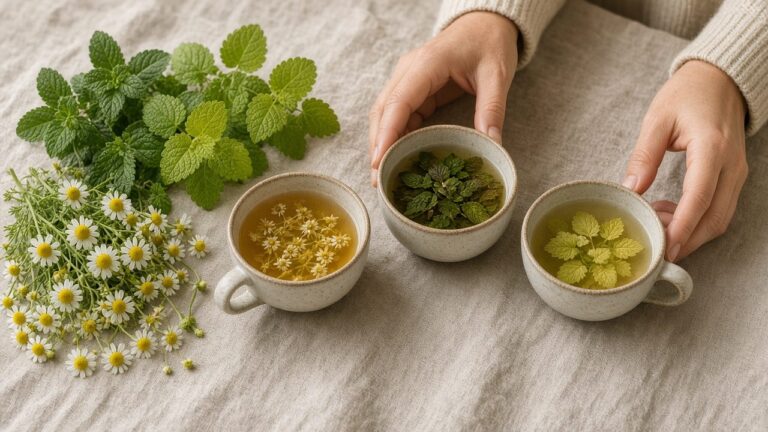
- Flowers: chamomile, lavender, hibiscus, calendula
- Fruit and peel: rose hips, orange peel, lemon peel, dried apple
- Seeds: fennel, anise, cardamom
- Roots and bark: ginger, cinnamon, licorice root, turmeric
Not all herbal drinks are caffeine-free
A few popular “herbal” drinks do contain caffeine. Yerba mate and guayusa are two examples. If you are avoiding caffeine, check the ingredients.

What You Need
You do not need special equipment to make herbal tea at home. A kettle and a mug cover the basics.
- A kettle or saucepan
- A mug, teapot or heat-safe jar
- A lid, saucer or small plate to cover the cup while steeping
- A tea infuser, strainer, reusable tea bag or French press
- Dried or fresh herbs
- A measuring spoon (until you learn your preferred strength)
Fresh or dried herbs?
Both work. Dried herbs are more concentrated, so you use less. A widely used kitchen rule is about three times as much fresh herb as dried. Fresh mint or lemon balm from a windowsill pot makes a bright, grassy tea, while dried chamomile flowers give a deeper, honey-like flavor.

Herbal Tea Ratios
Herbal tea ratios are a starting point, not a strict rule. Begin with the amounts below, then adjust for taste.
| Herb type | Dried amount per 8 oz water | Fresh amount per 8 oz water |
|---|---|---|
| Leaves (mint, lemon balm) | 1-2 teaspoons | 1-2 tablespoons |
| Flowers (chamomile, hibiscus) | 1-2 teaspoons | 1-2 tablespoons |
| Seeds (fennel, anise) | 1 teaspoon, lightly crushed | Not usually used fresh |
| Roots (ginger) | 1 teaspoon dried | About 1 inch of sliced fresh root |
| Bark (cinnamon) | 1 small stick or 1 teaspoon chips | Not applicable |
Crush seeds lightly with the back of a spoon to release more flavor. For a pot of tea, multiply the amounts by the number of cups.

Method 1: Hot Infusion for Leaves and Flowers
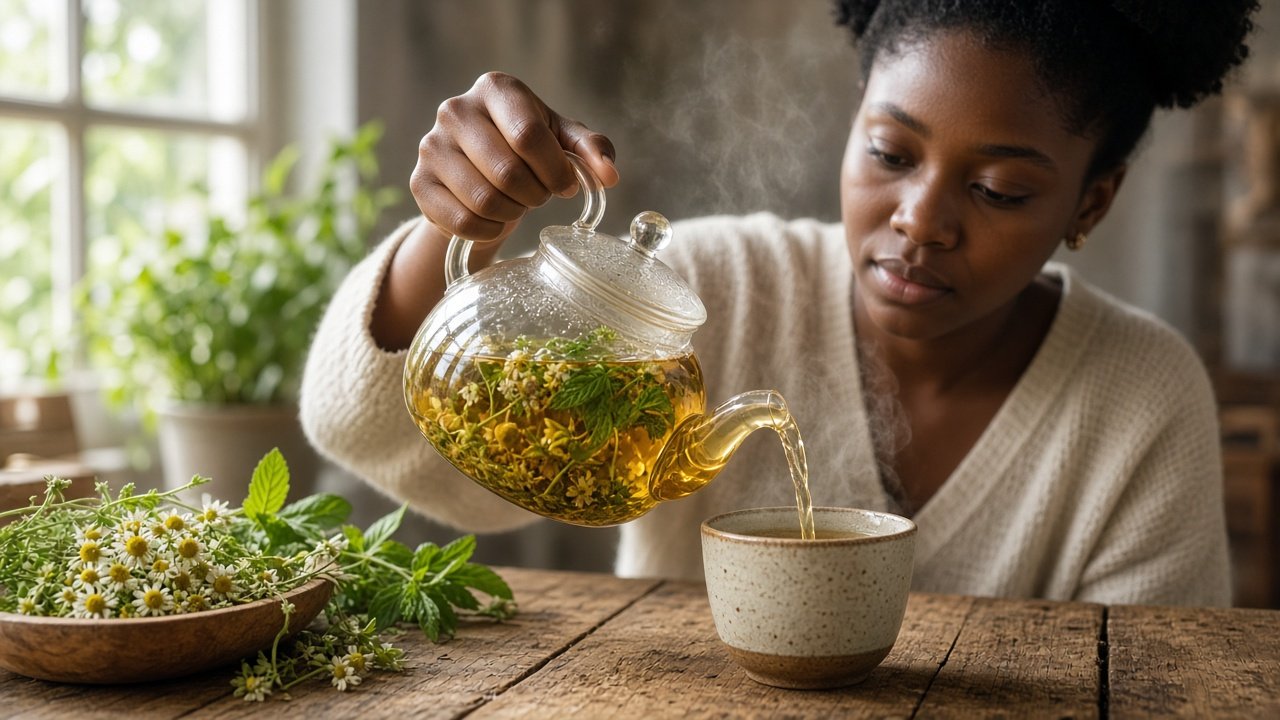
A hot infusion is the classic way to make herbal tea from soft plant parts. Pour hot water over the herbs, cover, and let them steep.
Step by step
- Bring fresh water to a boil.
- Place the herbs in an infuser, teapot or mug.
- Pour the hot water over the herbs.
- Cover the cup or pot to keep the aromatic oils from escaping with the steam.
- Steep 5 to 10 minutes for most herbs. Some people steep chamomile or nettle up to 15 minutes for a stronger brew.
- Strain, then add honey or lemon if you like.
Why covering matters
Many of the flavor compounds in mint, chamomile and lemon balm are volatile, meaning they evaporate easily. A simple saucer over the mug traps them, so your tea tastes stronger and more aromatic.

Method 2: Decoction for Roots, Bark and Seeds
A decoction is used for tough plant parts that need more time and heat to release their flavor. Instead of steeping, you simmer them.
Step by step
- Place the roots, bark or seeds in a saucepan with cold water.
- Bring to a boil, then lower the heat.
- Cover and simmer 10 to 20 minutes.
- Turn off the heat. If you are adding delicate leaves or flowers, add them now and steep for 5 minutes.
- Strain and serve.
Fresh ginger tea is the most common beginner decoction. Slice about an inch of ginger thinly, simmer it in two cups of water for 10 to 15 minutes, and add lemon and honey.

Method 3: Cold Infusion
A cold infusion, or cold brew, uses room-temperature or cold water and a long steep in the refrigerator. It produces a smoother, less bitter flavor and works well with mint, hibiscus and lemon balm.
How to cold brew herbal tea
- Place about twice the usual amount of herbs in a clean jar.
- Fill with cold, clean water.
- Cover and refrigerate for 6 to 12 hours.
- Strain and keep refrigerated; drink within a day or two.
A note on sun tea
Leaving a jar of tea and water to warm in the sun for hours keeps it in a temperature range where bacteria can grow, and food-safety specialists at several cooperative extension services advise against it. Refrigerator cold brewing is the safer option.

Beginner-Friendly Herbal Teas
These herbs are widely available, easy to brew and familiar to most people. Each comes with a short safety note drawn from NCCIH fact sheets where available.
| Herb | Flavor | Method | Safety notes |
|---|---|---|---|
| Peppermint | Cool, refreshing | Infusion | NCCIH notes peppermint can worsen heartburn or reflux in some people |
| Chamomile | Mild, apple-like | Infusion | Can cause allergic reactions, especially in people allergic to ragweed and related plants |
| Lemon balm | Lemony, soft | Infusion | NCCIH says it is likely safe in food amounts; research on sleep and mood is limited |
| Ginger | Warm, spicy | Decoction | NCCIH notes ginger may cause mild stomach upset in some people |
| Hibiscus | Tart, berry-like | Infusion or cold brew | NCCIH reports limited research on blood pressure; ask a clinician if you take blood pressure medication |
| Rooibos | Earthy, naturally sweet | Infusion | Caffeine-free; research is limited |
| Fennel | Sweet, anise-like | Infusion of crushed seeds | Ask a clinician before regular use in pregnancy |
| Cinnamon | Warm, sweet | Decoction | Cassia cinnamon contains coumarin; NCCIH notes large amounts may be a concern for the liver |
| Licorice root | Very sweet | Decoction | NCCIH warns large amounts or long-term use can raise blood pressure and lower potassium |
Learn about the plants
For background on several traditional apothecary herbs, see our guide to the most useful herbs in a home apothecary. Garden lovers may also enjoy our profile of anise hyssop, a mint-family herb with a sweet licorice scent that some people grow for tea.

Simple Herbal Tea Blends to Try
Blending herbs lets you balance flavors. A good starting ratio is two parts of a main herb to one part of a supporting herb.
- After-dinner mint: 2 parts peppermint, 1 part fennel seed
- Evening calm: 2 parts chamomile, 1 part lemon balm, a pinch of lavender
- Bright and tart: 2 parts hibiscus, 1 part rose hips, a strip of orange peel
- Warming spice: sliced ginger and a cinnamon stick simmered together, finished with lemon
- Garden fresh: a handful of fresh mint and lemon balm leaves with a slice of lemon
Lavender is strong, so use it sparingly. Too much can taste soapy.

Herbal Tea at Bedtime
Many people enjoy a warm caffeine-free drink as part of winding down. The ritual itself, a few quiet minutes away from screens, can be as helpful as the herb. Chamomile and lemon balm are common choices, though NCCIH notes that research on their effects on sleep is limited and mixed.
Tips for a bedtime cup
- Drink it 30 to 60 minutes before bed so you are not waking up to use the bathroom.
- Choose naturally caffeine-free herbs and check blends for green or black tea.
- Pair your tea with other calming habits, such as dim lights and a book.
Our evening wind-down routine for better sleep shows how to build a full calming hour around habits like this.

Herbal Tea Safety
Herbal teas made from common culinary herbs are generally safe for most adults in normal amounts. Still, “natural” does not automatically mean safe, and herbs can affect people differently.
Pregnancy and breastfeeding
Safety data on many herbs in pregnancy is limited. Ask your obstetric provider or midwife before drinking herbal teas regularly, especially blends with multiple herbs or herbs used medicinally.
Children and babies
Ask a pediatrician before giving herbal teas to children. Never sweeten drinks for babies under 12 months with honey: the CDC warns that honey can cause infant botulism in this age group.
Medications
Herbs can interact with prescription drugs. Chamomile, for example, may interact with some medications such as blood thinners, according to NCCIH. St. John’s wort, sometimes sold in tea blends, interacts with many medications, including birth control pills and antidepressants. If you take prescription medication, show your tea blends to a pharmacist.
Allergies
If you have hay fever or allergies to plants in the daisy family, such as ragweed, chrysanthemums or marigolds, be cautious with chamomile and calendula.
Herbs to avoid in homemade tea
Some plants are not safe to drink as tea. The FDA advised in 2001 that oral comfrey products be removed from the market because comfrey contains compounds that can damage the liver. Never brew tea from wild plants you cannot identify with certainty.
Supplements vs tea
Herbal teas sold as supplements are regulated differently from foods. The FDA does not approve dietary supplements for safety or effectiveness before they are sold, so choose reputable brands and look for third-party quality seals where available.

Does Herbal Tea Count Toward Hydration?
Yes. The National Academies of Sciences, Engineering, and Medicine count water from all beverages and foods toward daily total water intake. Plain, unsweetened herbal tea is a flavorful way to drink more fluids without added sugar or caffeine, which makes it a helpful swap for sweetened drinks.

How to Store Herbs for Tea
Dried herbs lose flavor over time, especially when exposed to light, heat, air and moisture.
- Store dried herbs in airtight glass jars in a cool, dark cupboard.
- Keep them away from the stove, kettle and sunny windows.
- Label each jar with the herb and the date.
- Use dried leaves and flowers within about a year for best flavor; roots and bark often keep longer.
- Smell before brewing: faint aroma means faint flavor.
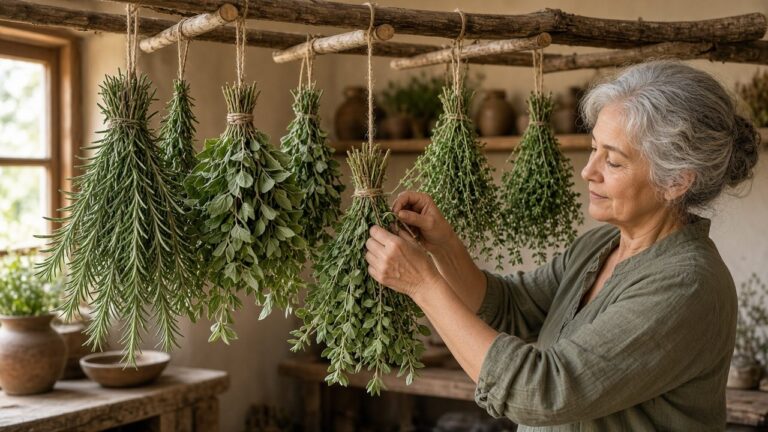
To dry your own herbs, the National Center for Home Food Preservation recommends methods such as air drying small bundles in a warm, dark, ventilated spot or using a dehydrator at low temperatures.

Troubleshooting Your Herbal Tea
Tea tastes weak
Use more herbs, cover the cup while steeping, or steep a few minutes longer. Check that dried herbs are not old.
Tea tastes bitter
Steep for less time, use fewer herbs, or try a cold infusion. Some herbs, such as chamomile, can turn bitter with very long steeps.
Tea tastes grassy
Fresh herbs often taste greener than dried. Try a mix of fresh and dried, or add citrus peel or a little honey.
Cloudy tea
Cloudiness is common with some herbs and with cold-brewed tea. It is usually harmless, but discard any tea that smells off or has been sitting at room temperature for hours.

Make Tea Part of Your Self-Care
A cup of tea can be a small, reliable pause in a busy day. Brew a pot in the afternoon instead of reaching for another coffee, or share a cup with a friend. Our practical self-care guide has more ideas for building small rituals like this into daily life.

Frequently Asked Questions
How long should you steep herbal tea?
Steep most leaf and flower teas for 5 to 10 minutes, covered. Roots, bark and seeds are usually simmered for 10 to 20 minutes as a decoction. Cold infusions steep in the refrigerator for 6 to 12 hours.
How much loose herbal tea do you use per cup?
Start with about 1 to 2 teaspoons of dried herbs or 1 to 2 tablespoons of fresh herbs per 8-ounce cup, then adjust to taste.
Can you make herbal tea with fresh herbs?
Yes. Use about three times as much fresh herb as dried. Fresh mint, lemon balm and lemon verbena make especially good teas.
Should you boil herbs for tea?
Pour boiling water over leaves and flowers rather than boiling them. Simmer tougher roots, bark and seeds, such as ginger or cinnamon, to extract their flavor.
Is it safe to drink herbal tea every day?
For most healthy adults, common culinary herbal teas such as peppermint, chamomile and ginger in normal amounts are generally considered safe. People who are pregnant, nursing or taking medications should check with a clinician first.
Is herbal tea caffeine-free?
Most herbal teas are naturally caffeine-free, but some, such as yerba mate and guayusa, contain caffeine, and some blends include green or black tea.

Sources
- National Center for Complementary and Integrative Health. Herb fact sheets: Peppermint Oil, Chamomile, Ginger, Lemon Balm, Hibiscus, Licorice Root, Cinnamon, St. John’s Wort.
- U.S. Food and Drug Administration. Dietary Supplements; 2001 advisory on comfrey products.
- Centers for Disease Control and Prevention. Infant botulism and honey.
- National Academies of Sciences, Engineering, and Medicine. Dietary Reference Intakes for Water.
- National Center for Home Food Preservation. Drying Herbs.